You Didn’t Die: Episode 17 w/ Andy Holmes
Listen on SPOTIFY
Listen on APPLE PODCAST
Watch on YOUTUBE
Overview
Andy Holmes is a Marine veteran turned collegiate soccer strength and conditioning coach who brings a rare blend of military leadership, athletic performance, and self-aware humor to everything he does. This episode covers coaching philosophy, vulnerability, the role of sport in combating apathy, the value of the near-miss, and why it's okay to not be okay.
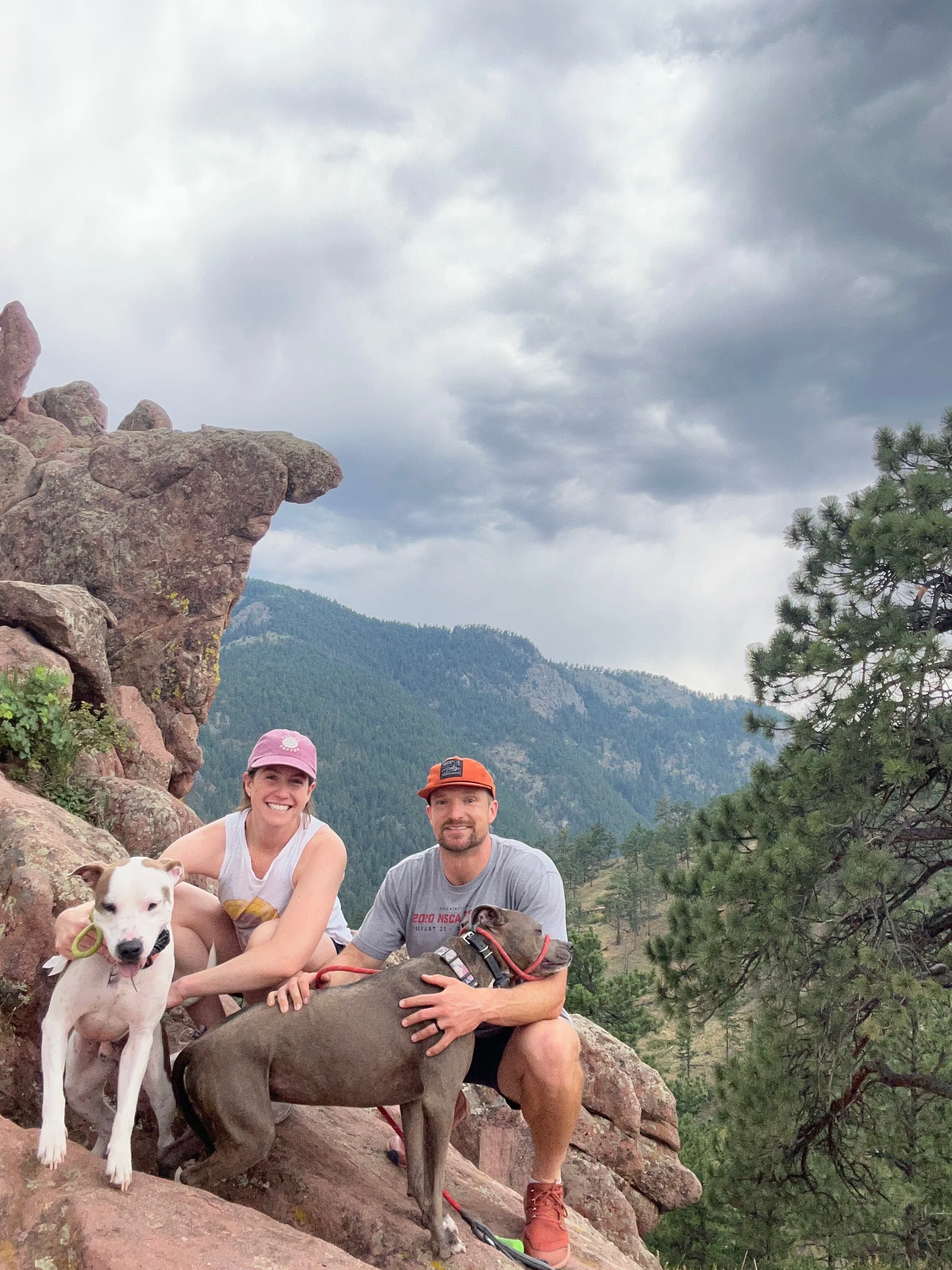
About Andy Holmes
A wellspring of curiosity, Andy has studied international politics, worked as a communications officer in the United States Marine Corps, and has spent the last seven years as a strength and conditioning coach across a wide range of sports, schools and professions.
With stops at Georgetown University, The University of Texas at Austin, and 58th Special Operations Wing in Albuquerque, New Mexico, as Andy has worked to help develop athletes physically, he's worked just as hard on his own professional, mental, and emotional development.
Currently, Andy works as an assistant sports performance coach at the University of Denver in Denver, Colorado where he directly leads physical development for the Women's and Men's soccer programs.
Outside of a job that he thoroughly enjoys, Andy is incredibly lucky to have a brilliant and beautiful partner in adventure and relaxation, Arielle. Together they live in South Denver with their two dogs River and Bowie.
Episode Takeaways
Embrace the near-miss — almost making the lift, just missing the cutoff is nine times out of ten more valuable than the make. The world didn't end. You get to do it again.
Create problems for your athletes to solve — coaching isn't about giving answers, it's about building the conditions for aha moments
Find something you care enough about to be disappointed by — apathy is the real enemy, and sport is one of the best antidotes we have
Be willing to fail if that's what it takes to win — two different things that are actually the same thing
Make it undeniable and inevitable — keep attacking, stay relentless, and trust that it's coming
Give people permission to not be okay — especially those who are always expected to be strong, capable, and fine
It's okay to not be okay — and saying so out loud is often the first step
The fear of putting people out keeps veterans silent — communicate anyway, because the people around you want to know and they want to help
Episode Links
University of Denver Sports Performance
Veterans Crisis Line — 988, Press 1